Insights & Highlight
from Edutech Asia 2025
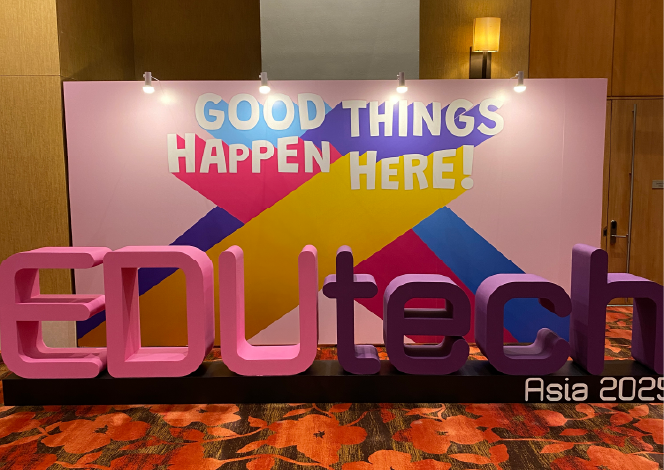
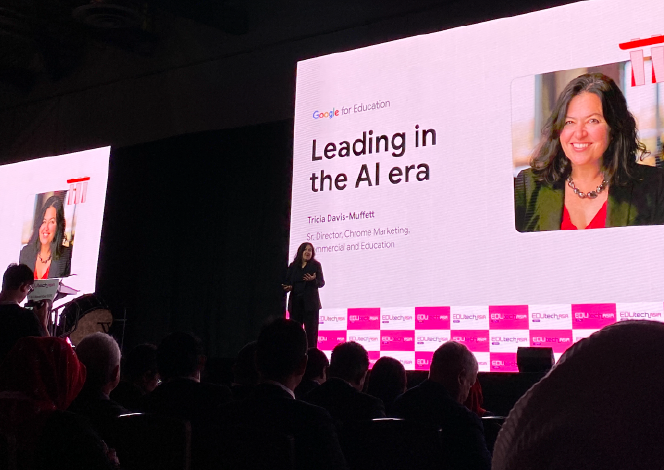
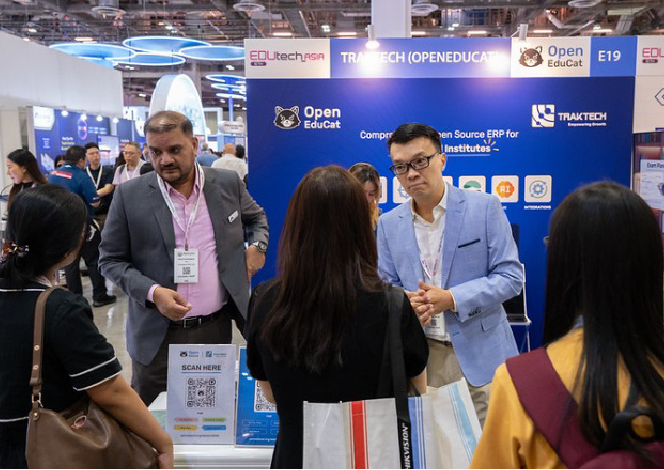
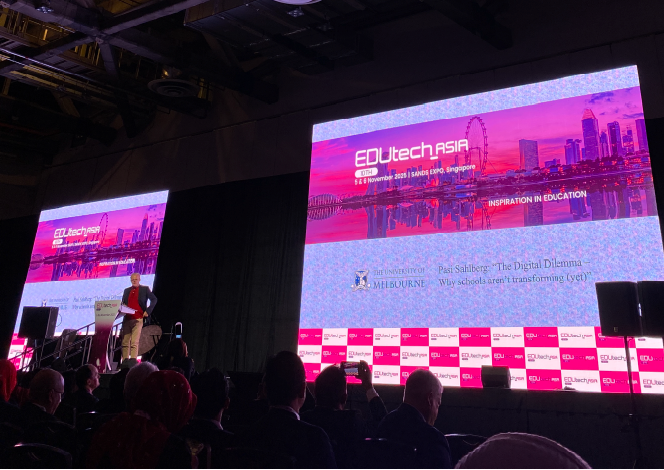
In November 2025, our team participated in Edutech Asia 2025, a regional forum bringing together universities, learning designers, and education leaders. Across discussions on AI, curriculum design, and educational technology, one message stood out clearly: Personalized learning is no longer optional, it is becoming central to meaningful learning in higher education. This article highlights how current developments discussed at Edutech Asia 2025 point toward that shift.

1. Personalized Learning Is Driving the Way AI Is Used in Teaching
At Edutech Asia 2025, the conversation around artificial intelligence was noticeably more mature. The focus was no longer on whether AI should be used, but on how it can support individual learners without undermining academic standards or increasing lecturer workload.
Common practices shared by institutions included:
2. Course Design Is the Foundation of Personalized Learning
Another strong theme was the growing recognition that personalized learning starts with course design, not technology. Institutions are moving away from content-heavy structures toward designs that:
Rather than asking students to adapt to rigid course structures, courses are being designed to anticipate learner diversity, in background knowledge, learning pace, and engagement patterns.
3. Technology Choices That Enable Personalization
A noticeable shift at Edutech Asia 2025 was how institutions evaluate educational technology. The emphasis is no longer on adopting the newest tools, but on choosing technologies that genuinely support learning design goals.
Key questions being asked include:
The trend is toward fewer, better-integrated tools that make personalization possible without fragmenting the learning experience.
4. Implications for Our Teaching Context
In the current higher education context, teaching practices are increasingly expected to respond to student diversity in learning readiness, pace, and engagement. This requires lecturers to move beyond uniform instructional approaches and place greater emphasis on intentional learning design, including clear learning pathways, structured learning activities, and timely feedback. Well-designed courses create conditions where students can navigate their learning more independently while still receiving guidance aligned with course outcomes.
Personalized learning, in this sense, is implemented through concrete teaching strategies supported by appropriate use of technology. Practical examples include using the learning management system to provide differentiated learning resources, leveraging learning analytics to identify students who may require early academic support, and designing assessments that allow flexibility in topic choice or mode of submission. When used intentionally, technology supports personalization by enhancing feedback, monitoring learning progress, and enabling students to engage with learning in ways that are relevant to their academic and professional goals.