
When a Smartphone Is Not Enough:
Building Digital Confidence Among Older Adults
Digital literacy is often understood as the ability to operate devices, access information, or use digital services. However, meaningful digital inclusion requires more than knowing which buttons to press. It requires confidence, the belief that technology can be understood, trusted, and used to support everyday life. Two community service initiatives (Pengabdian kepada Masyarakat, or PkM) conducted by Rizaldi Parani, Herman Purba, and Desideria Lumongga Dwihadiah from Universitas Pelita Harapan show that digital literacy does not begin with an application. It begins with trust.
The smartphones were already in the participants’ hands. Yet for many older adults attending community workshops in Tangerang, consulting a doctor through one of those devices still felt unfamiliar and potentially unsafe. Could an online doctor be trusted? Would personal health information remain secure? What would happen if the wrong button was pressed? These questions revealed a challenge that access to technology alone could not solve. Owning a smartphone did not necessarily mean feeling prepared or confident to use it.
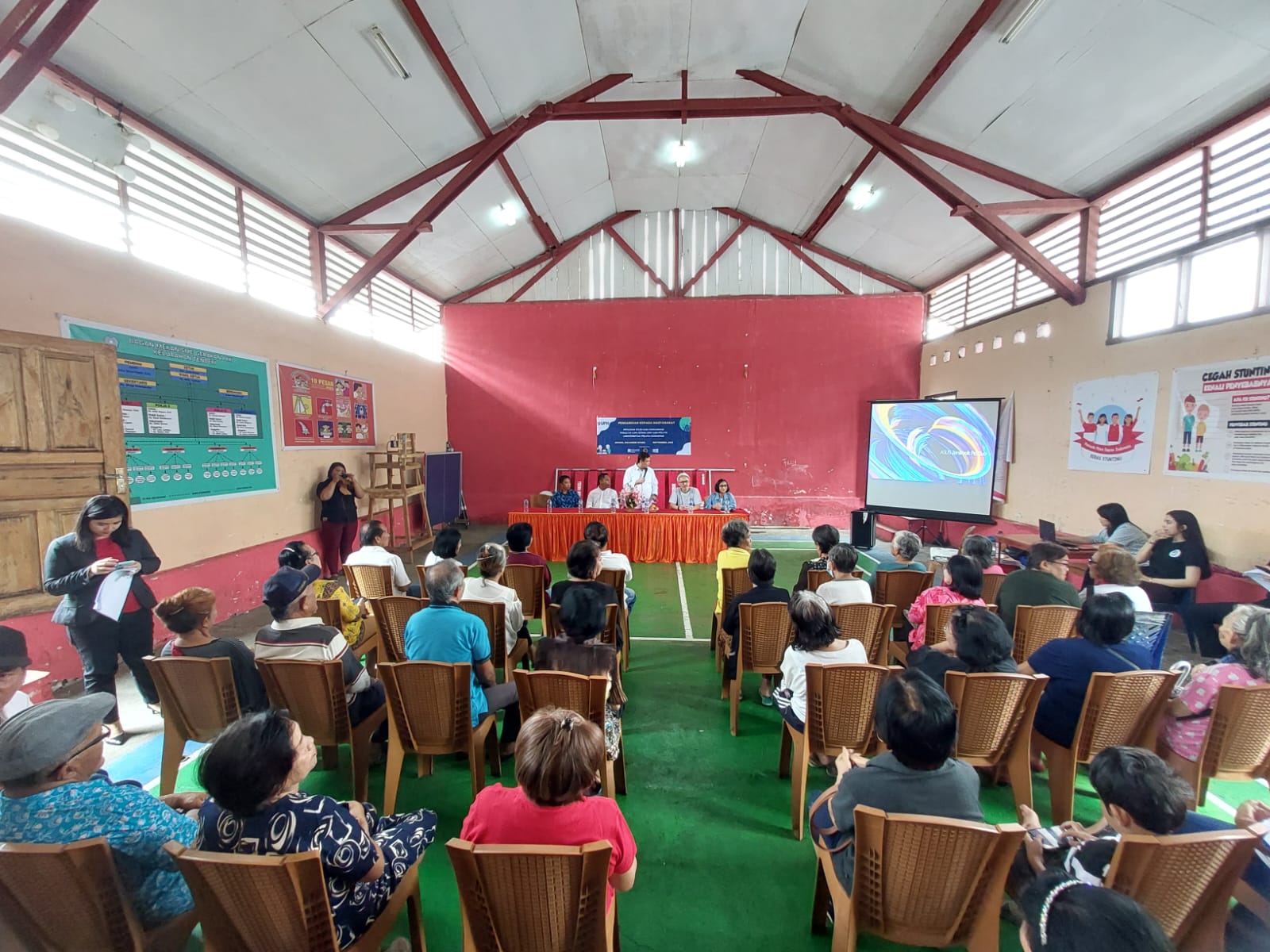
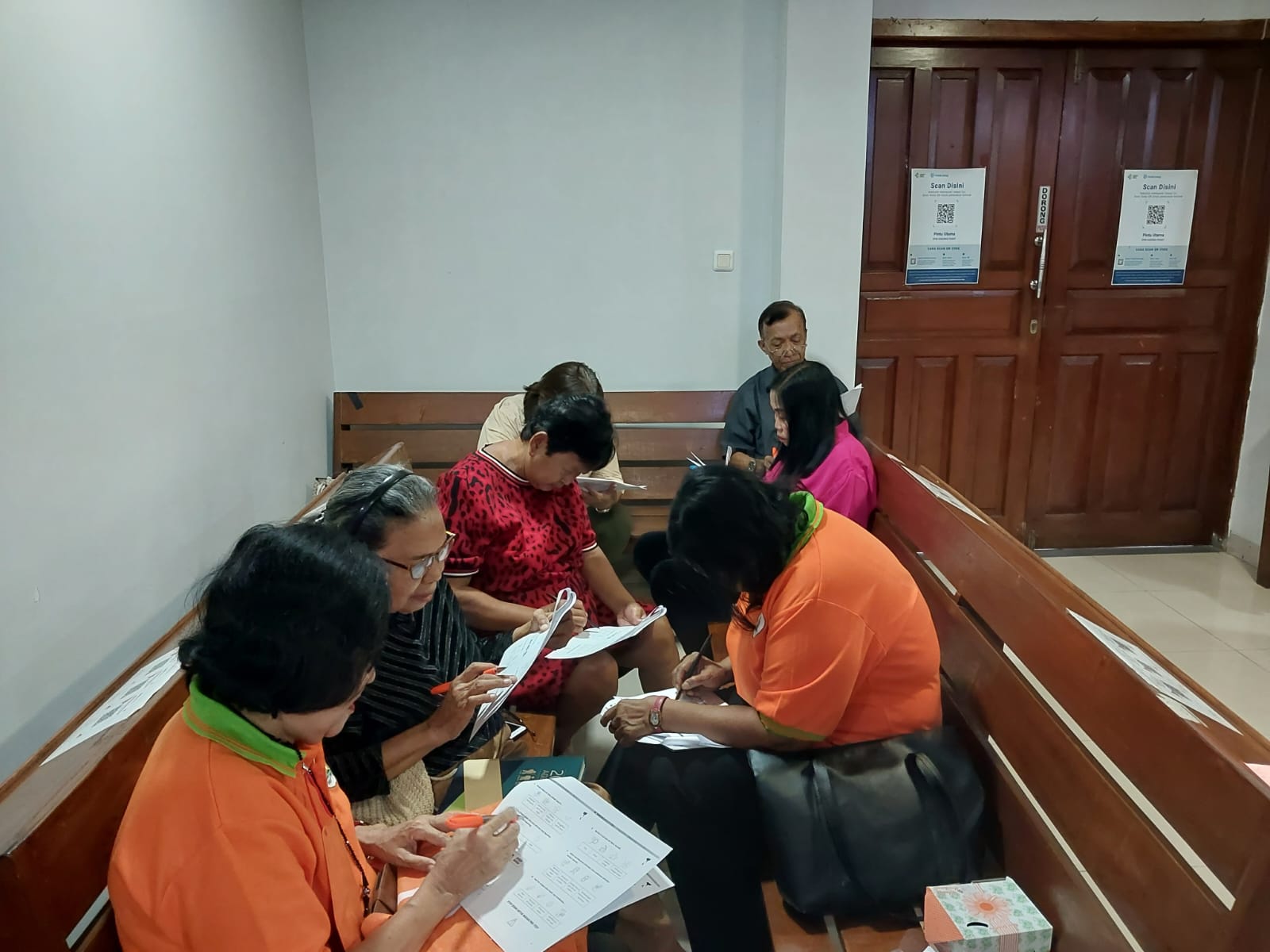
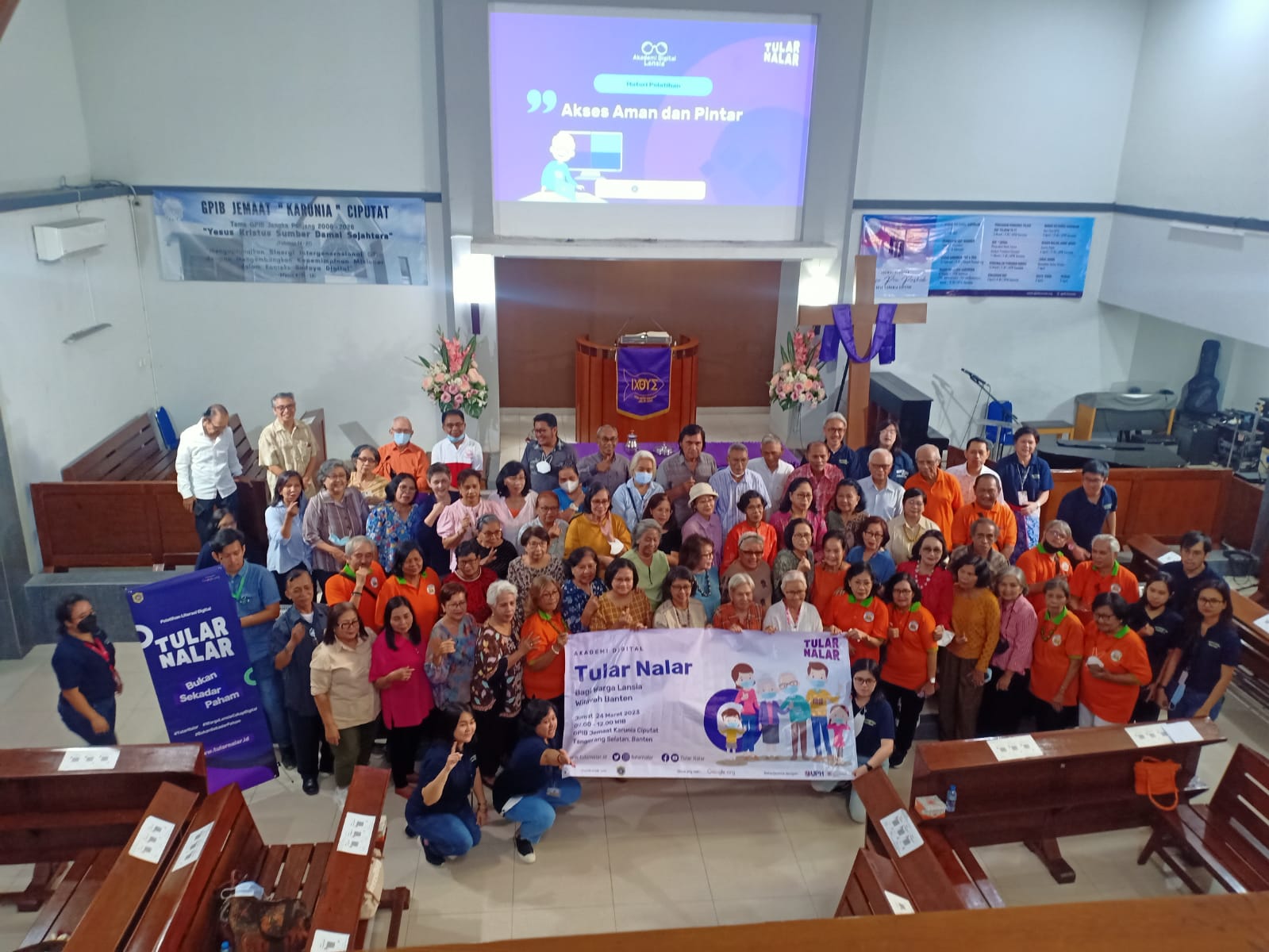
This gap became the focus of two community-based initiatives led by Rizaldi Parani, Herman Purba, and Desideria Lumongga Dwihadiah. The first introduced telemedicine to approximately 50 older adults at the Family Community Dasana Indah, GBI Christ Cathedral, Tangerang. The second supported approximately 100 members of the Persekutuan Kaum Lanjut Usia at GPIB Jemaat Karunia, South Tangerang, in recognizing online scams, misinformation, and personal-data theft.
Although these initiatives addressed different digital challenges, both highlighted the same conclusion: digital confidence grows when people understand a technology, practise using it, and receive support from a community they trust.
The learning process was designed through a deliberate sequence: Understanding → Seeing → Practising → Using
Participants first developed an understanding of how digital technologies work and why they matter. They then observed real examples of how technology could support their daily activities. Through guided practice, they gained opportunities to explore digital tools in a safe environment, ask questions, and overcome hesitation. Finally, they became more prepared to use technology independently and confidently in real situations.
From Access to Confidence
One of the challenges explored through these initiatives was the adoption of digital health services. While many older adults were already familiar with smartphones for communication and daily activities, using technology for healthcare introduced a different level of uncertainty. For some participants, telemedicine was not simply about learning how to open an application or complete an online consultation. It involved building trust in a new way of accessing healthcare. Concerns about reliability, privacy, and making mistakes reflected a deeper issue. Technology adoption is not only a technical process but also an emotional and social experience.
Through demonstrations, guided explanations, and hands-on practice, participants were introduced to how telemedicine could expand access to healthcare services while building their confidence in navigating digital health platforms. By experiencing the process step by step, they gradually developed a better understanding of how these platforms work and how these tools could support their healthcare needs when required. This experience highlights an important principle in digital learning: confidence grows through experience and meaningful practice. Information alone may explain how technology works, but confidence develops when individuals have opportunities to explore, ask questions, and receive guidance within a supportive learning environment.
The same principle applied to the second initiative, which focused on digital safety. As more daily activities move online, older adults face new challenges, including misinformation, online fraud, and risks related to personal data protection. Participants were encouraged to recognize potential digital threats and develop critical awareness when interacting with online information. Rather than simply teaching them what to avoid, the program focused on helping participants understand how to evaluate situations, make informed decisions, and respond appropriately.

Digital Literacy as a Shared Learning Journey
The experiences from these community-based initiatives demonstrate that digital literacy is not only about technical skills. It is also about developing confidence, awareness, and independence in navigating digital environments. A major factor supporting this process was the role of community. Learning technology can be challenging when individuals feel they must overcome uncertainty alone. However, when learning takes place in a trusted environment where participants can share experiences, ask questions, and learn together, technology becomes more approachable.
Support from facilitators and peers creates a space where participants can learn without fear of making mistakes. This sense of encouragement transforms digital learning from an individual challenge into a shared journey. Digital literacy is not necessarily about becoming an expert technology user. Instead, it is about helping individuals feel capable of engaging with technology safely and meaningfully. Confidence enables people to make better decisions, access opportunities, maintain connections, and participate more actively in an increasingly digital society.
The lessons from these initiatives reinforce an important message: digital transformation is not achieved simply by providing access to technology. It happens when people have the knowledge, practice, and support needed to use technology with confidence. Beyond knowing how technology works, the most important step is helping people believe that they can use it.