
Policy Dialogue:
“Embracing the Digital Era with Micro-credentials”
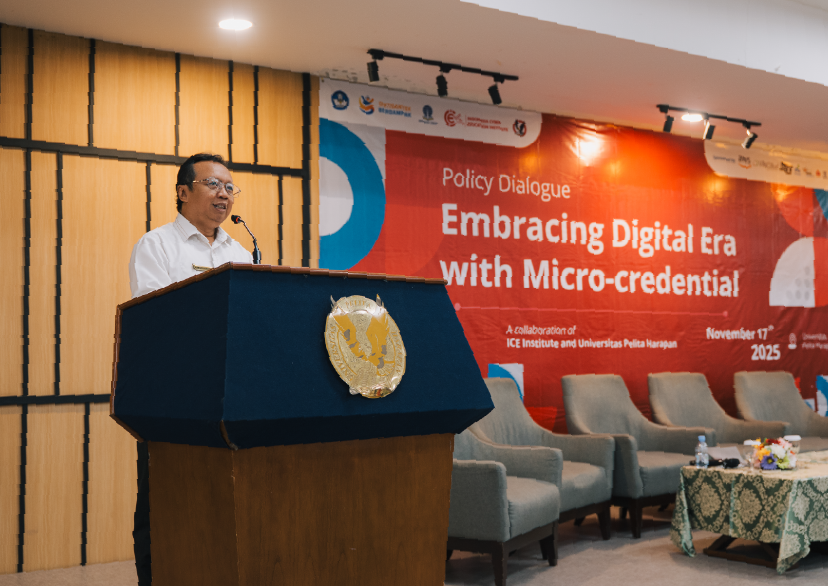
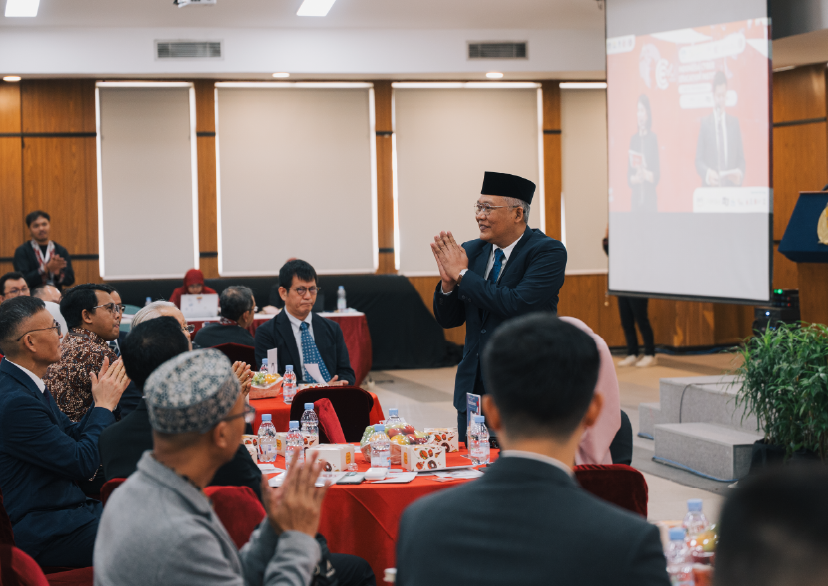
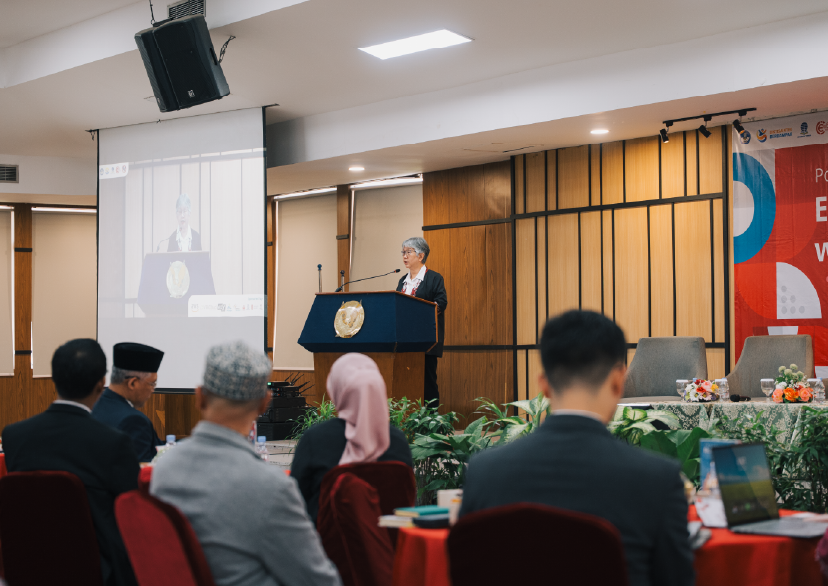
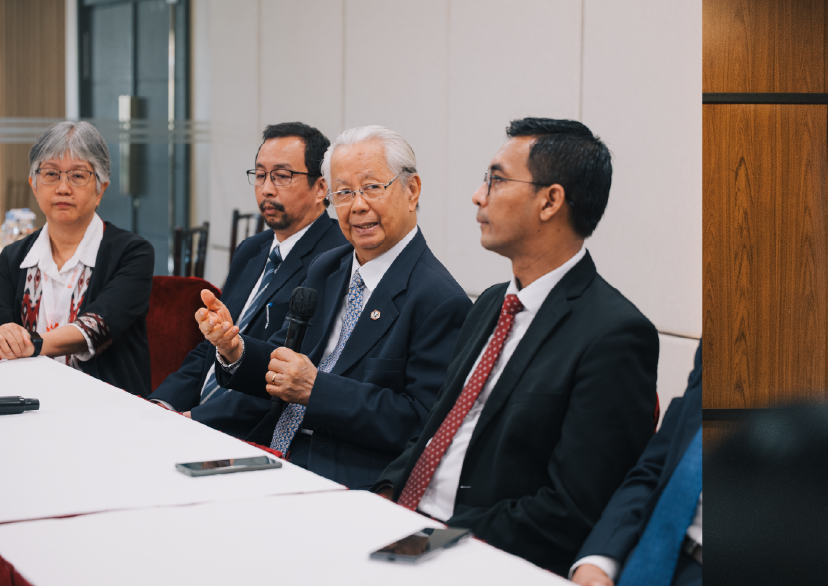
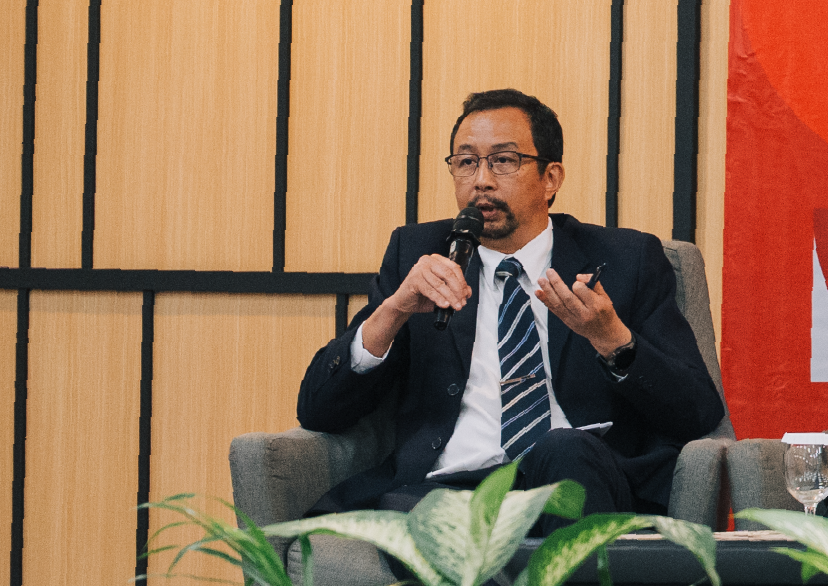
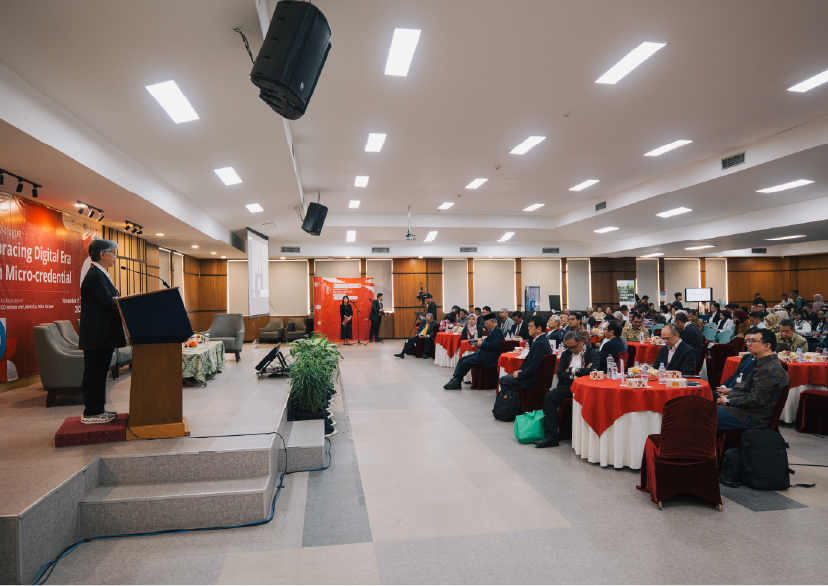
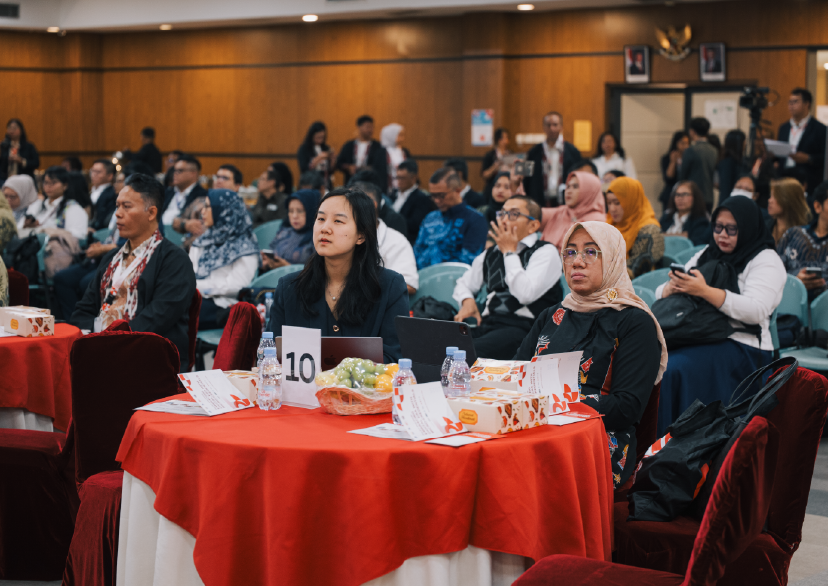
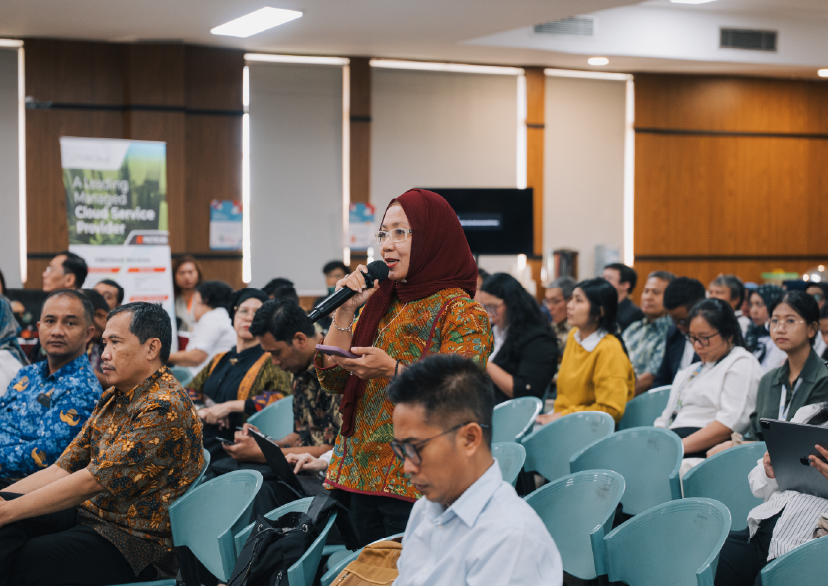
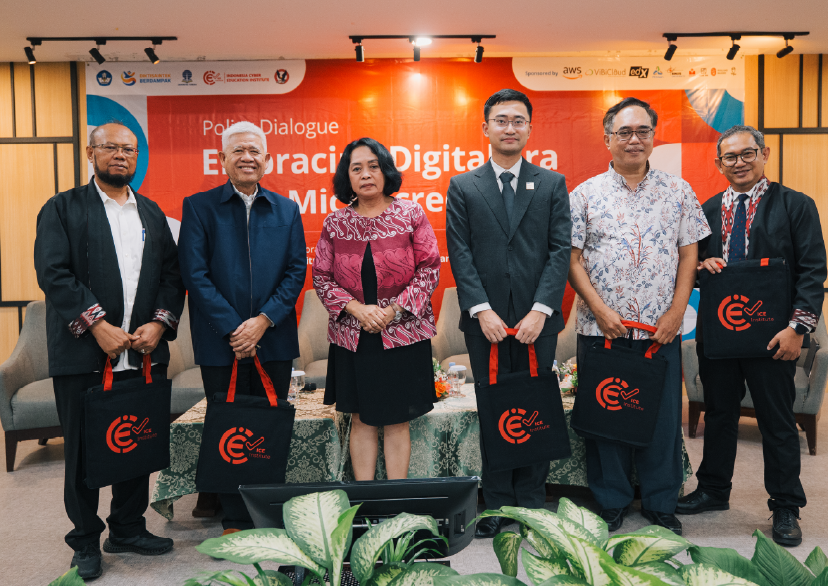
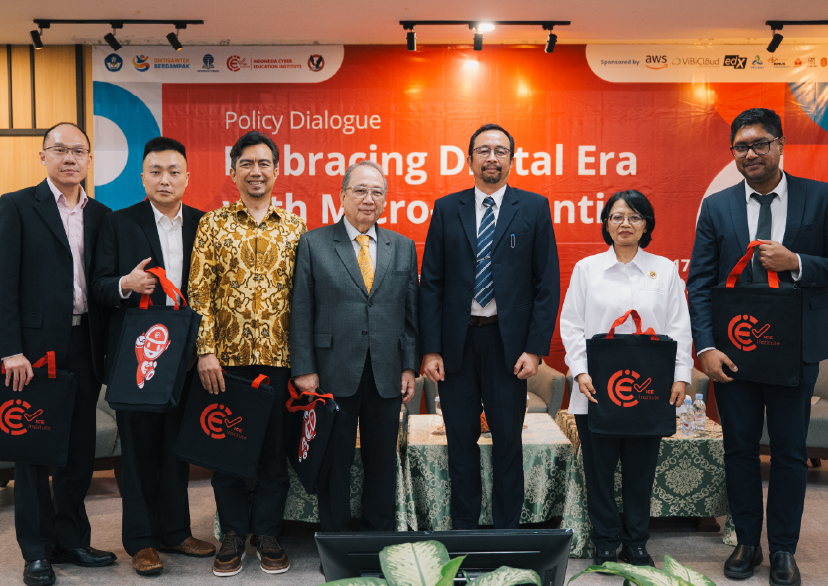
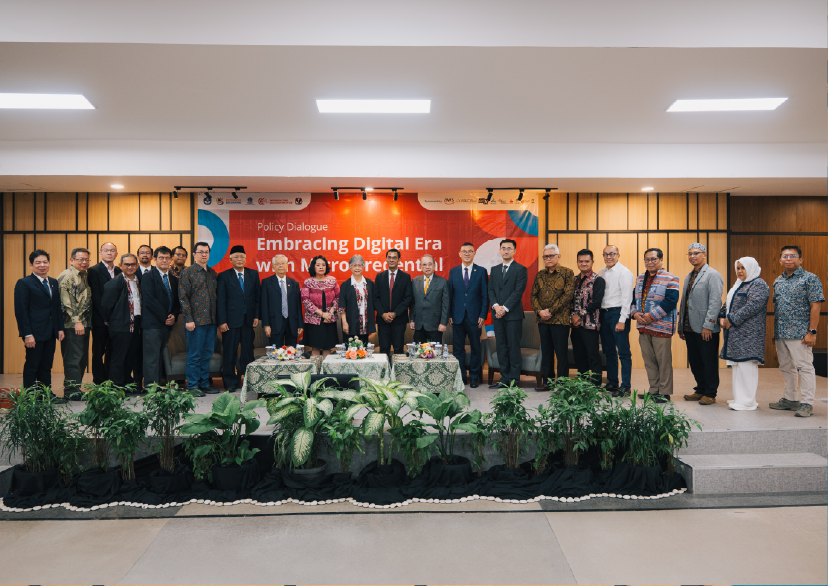
As Artificial Intelligence (AI) and automation accelerate digital transformation, Indonesia’s higher education system faces the critical need to adapt and evolve. To address these challenges, the Center for Teaching and Learning (CTL) at Universitas Pelita Harapan (UPH), together with the Indonesia Cyber Education Institute (ICE Institute), held the seminar “Policy Dialogue: Embracing the Digital Era with Micro-credentials” on November 17, 2025, at UPH Lippo Village, Karawaci, Tangerang. This seminar provided an important platform for stakeholders to discuss and develop a national framework for micro-credentials.
The Strategic Role of Micro-credentials
It was observed that the “half-life” of professional skills is becoming increasingly short, while Indonesia’s Gross Enrollment Rate (GER) in higher education remains relatively low, at around 32%. Micro-credentials offer a strategic solution: they are modular, flexible, verifiable, and competency-based learning certifications that allow learners to quickly acquire and stack specific skills relevant to industry needs.
Indonesia has formalized this commitment through Permendiktisaintek No. 39 of 2025, which emphasizes competency-based outcomes and lifelong learning as the focus for Higher Education Institutions.
Challenges and Institutional Implementation
Key challenges that remain include the need for national standardization, alignment with the Indonesian National Qualifications Framework (KKNI), and strong quality assurance, including digital verification methods such as blockchain to ensure both credibility and portability. The Indonesia Cyber Education Institute (ICE Institute) functions as the central hub for policy implementation. Institutional collaboration, highlighted by the supporting seminar with Universitas Pelita Harapan (UPH), emphasizes three core advantages of Microcredentials:
- Flexibility – Enabling rapid upskilling, unrestricted by time and location.
- Relevance – Directly bridging the offerings of Higher Education Institutions with global industry needs.
- Recognition – Providing standardized competence recognition with added value.
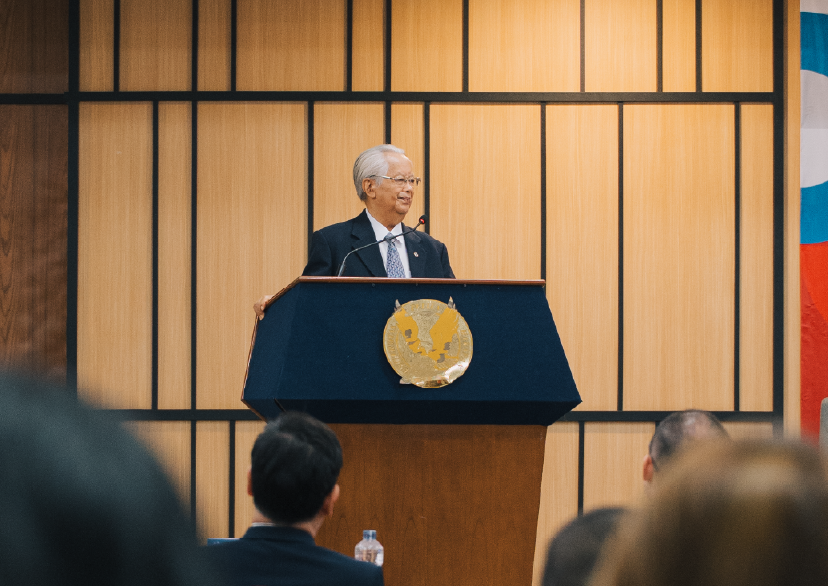
The Rector of UPH, Dr. (Hon.) Jonathan L. Parapak, M.Eng., Sc., reaffirmed the university’s commitment to continuously developing micro-credentials as an integral part of the future learning system. Currently, UPH, through its Center for Teaching and Learning (CTL), offers over 60 micro-credential courses, demonstrating the institution’s readiness to support relevant and adaptive implementation.
For more information on the role of microcredentials in preparing students for industry, please visit this link: More Info
Building an Adaptive and Globally Competitive Workforce
The Policy Dialogue concluded that micro-credentials are a crucial solution for Indonesia to adapt to the digital era. This initiative is reinforced by Permendiktisaintek No. 39/2025, which directs higher education institutions to focus on competency-based outcomes and lifelong learning. Micro-credentials are recognized as a strategic necessity to ensure that Indonesia develops an adaptive and globally competitive workforce.