From RPS to Meaningful Learning Experiences
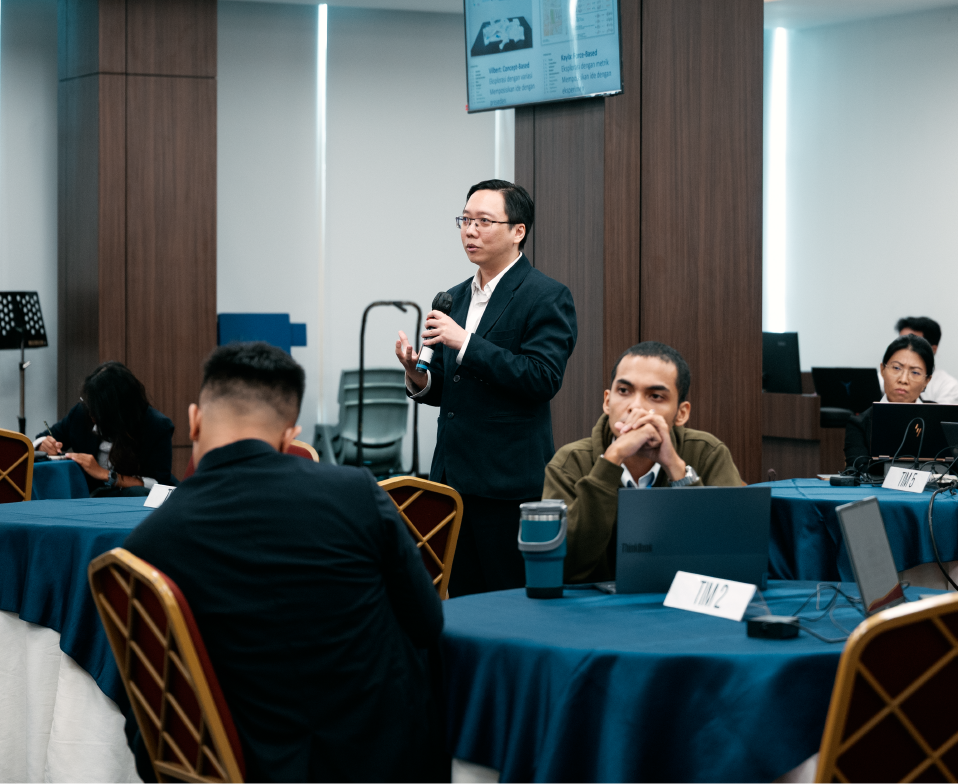
A Semester Learning Plan should be more than a planning document. It should serve as the foundation for meaningful learning experiences. How can we ensure that our Course Syllabi (RPS) truly reflect the learning experiences we aspire to create in our classrooms? This question was at the heart of the Best Practice Sharing and RPS Workshop, organized by the Center for Teaching and Learning (CTL) on Monday, October 19, 2026.
Through insightful discussions and hands-on activities, faculty members were invited to revisit their RPS from two essential perspectives: aligning measurable learning outcomes with learning activities and designing meaningful learning experiences that recognize and nurture each student’s unique potential. Ultimately, an effective RPS is not simply about what students are expected to learn, but also about how we design the learning journey.
1 – Alignment Matters:
Connecting Learning Outcomes with Activities and Assessment
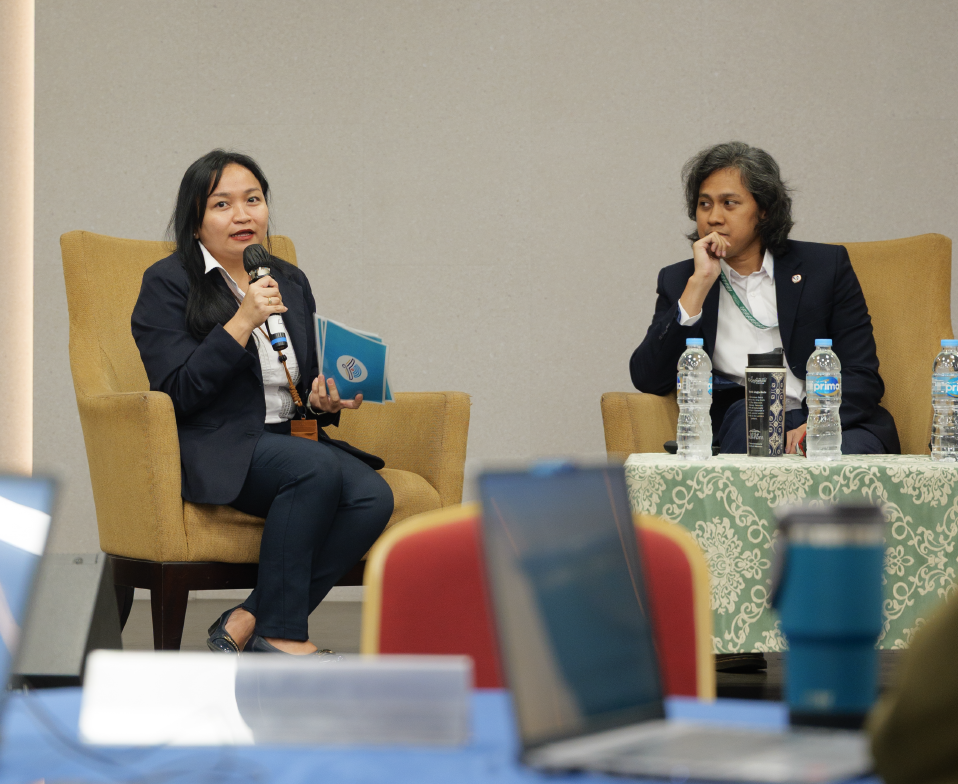
Dr. Pingkan Imelda Wuisan, S.IK., M.Pd., Head of the Biology Education Study Program at Universitas Pelita Harapan (UPH), emphasized that an effective RPS begins with clearly defined, measurable, and well-articulated learning outcomes. These outcomes guide teaching and assessment.
She highlighted the importance of using precise and observable action verbs to establish constructive alignment among Program Learning Outcomes (PLOs), Course Learning Outcomes (CLOs), learning activities, and assessment methods. This alignment ensures that every component of a course works together to support student learning and provides a clear direction for both teaching and assessment.
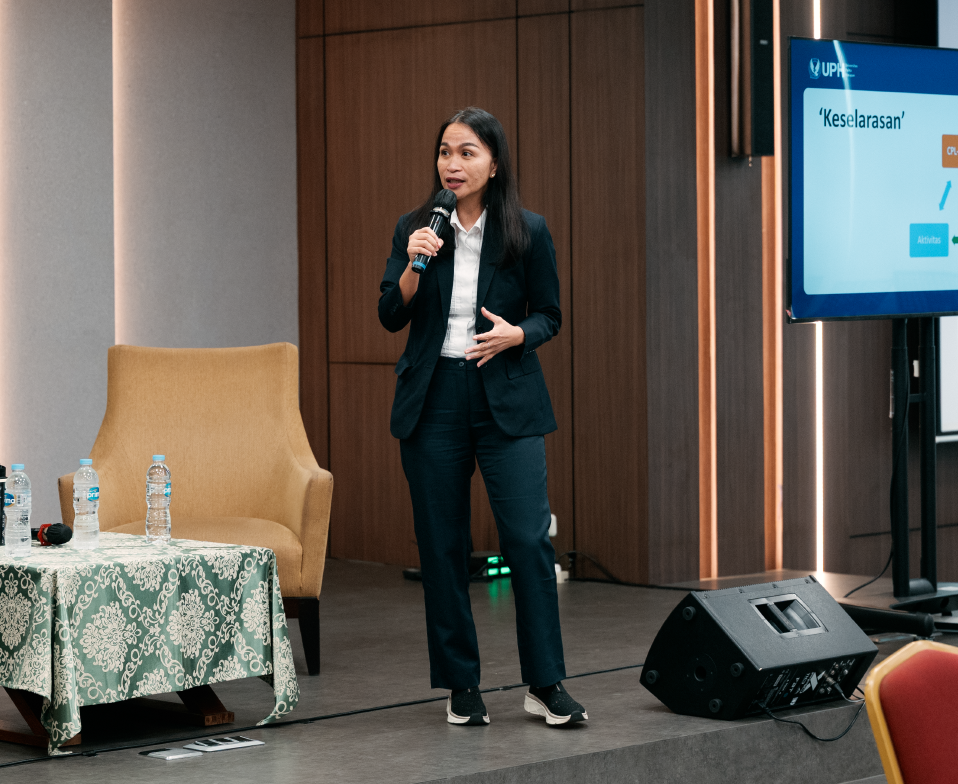
Key Insight: Learning outcomes should not merely describe what students are expected to know, but also what they should be able to demonstrate. For example, if students are expected to analyze a concept, the learning activities and assessments should provide opportunities for them to interpret information, examine relationships, evaluate evidence, and draw meaningful conclusions rather than simply recall facts. By aligning learning outcomes with appropriate learning experiences and assessment strategies, lecturers can create a more coherent learning process that encourages deeper understanding, critical thinking, and the meaningful application of knowledge.
2 – Structure Meets Creativity:
Empowering Students Through Flexible Learning Pathways
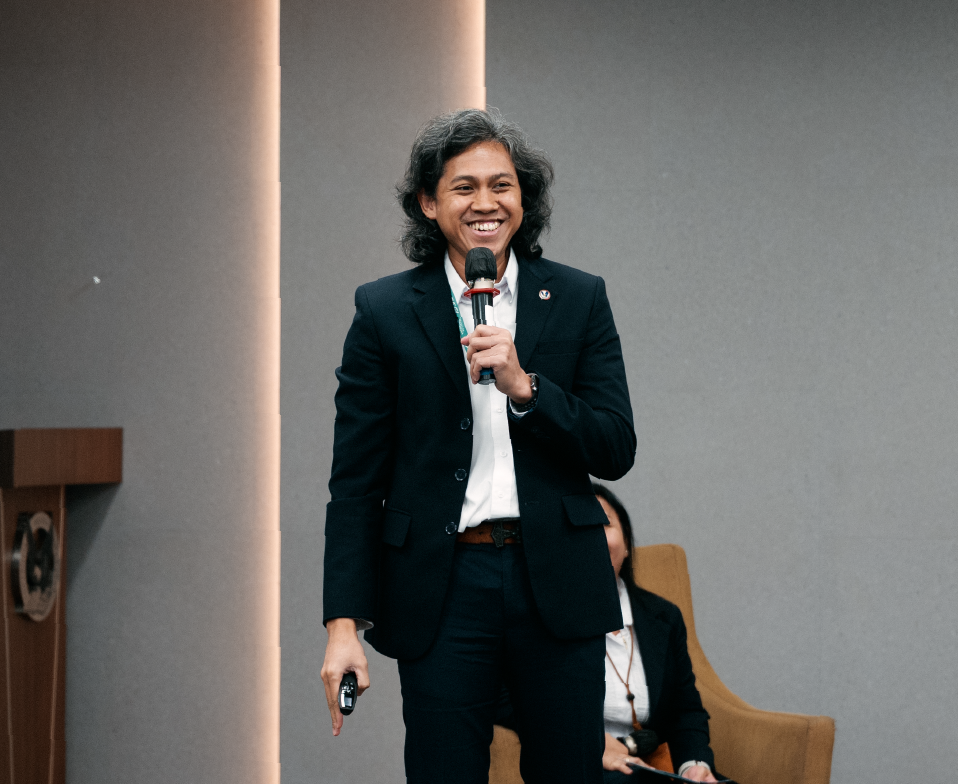
Andreas Yanuar Wibisono, S.T., M.Ars., Head of the Architecture Study Program at UPH, demonstrated how fuzzy goals, creative games, and CliftonStrengths talent mapping can foster engaging, student-centered learning while encouraging creativity, self-discovery, and individual growth.
His approach demonstrated that clearly defined learning outcomes can coexist with flexible learning pathways, allowing students to explore their creativity, leverage their unique strengths, and develop their potential through meaningful learning experiences. By incorporating interactive activities and recognizing individual differences, lecturers can create a learning environment that encourages active participation, self-discovery, and collaboration.
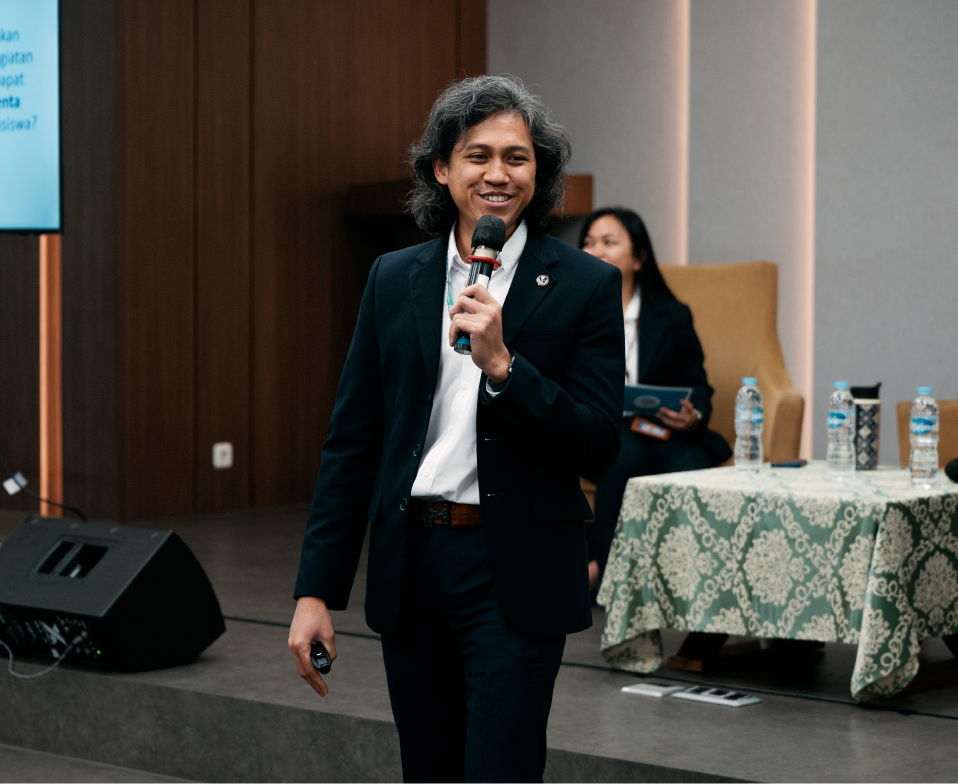
Key Insight: Effective learning design balances clear learning outcomes with the flexibility to nurture each student’s creativity, individual strengths, and personal growth. When students are given opportunities to learn in ways that build on their strengths, they become more engaged in the learning process and better equipped to take ownership of their personal and academic development.
From Reflection to Action
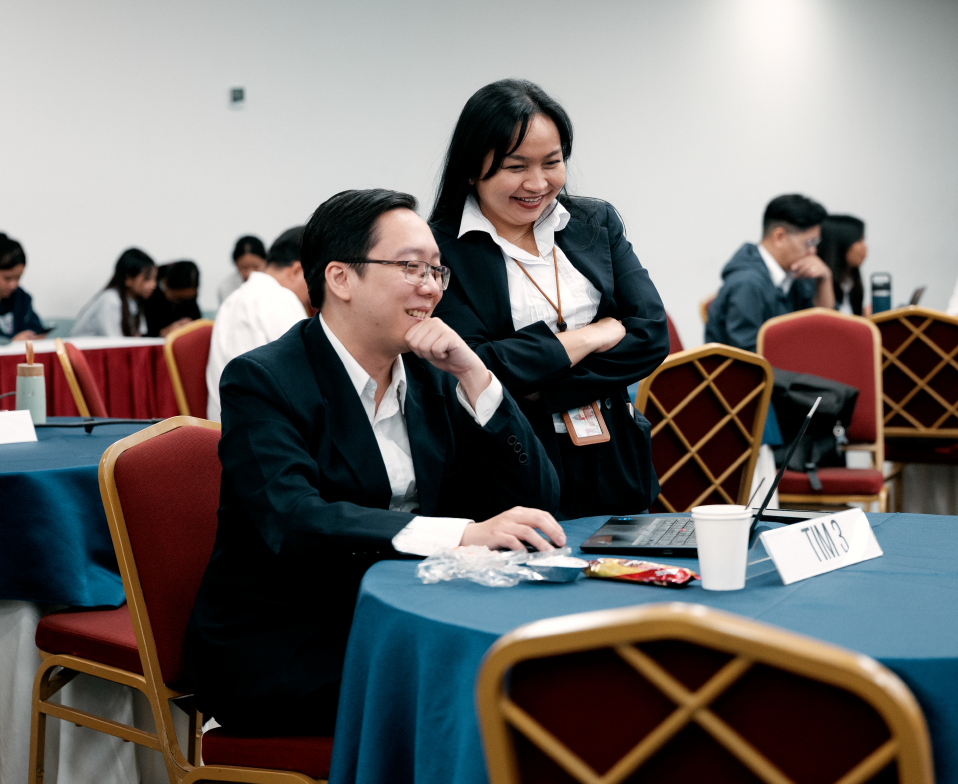
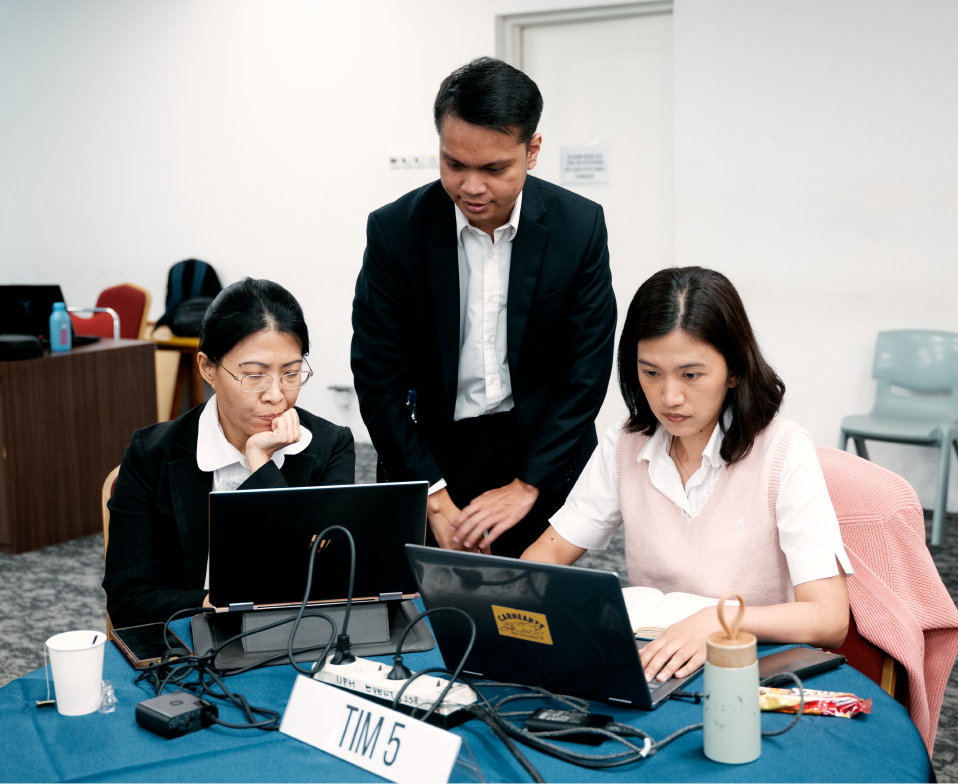
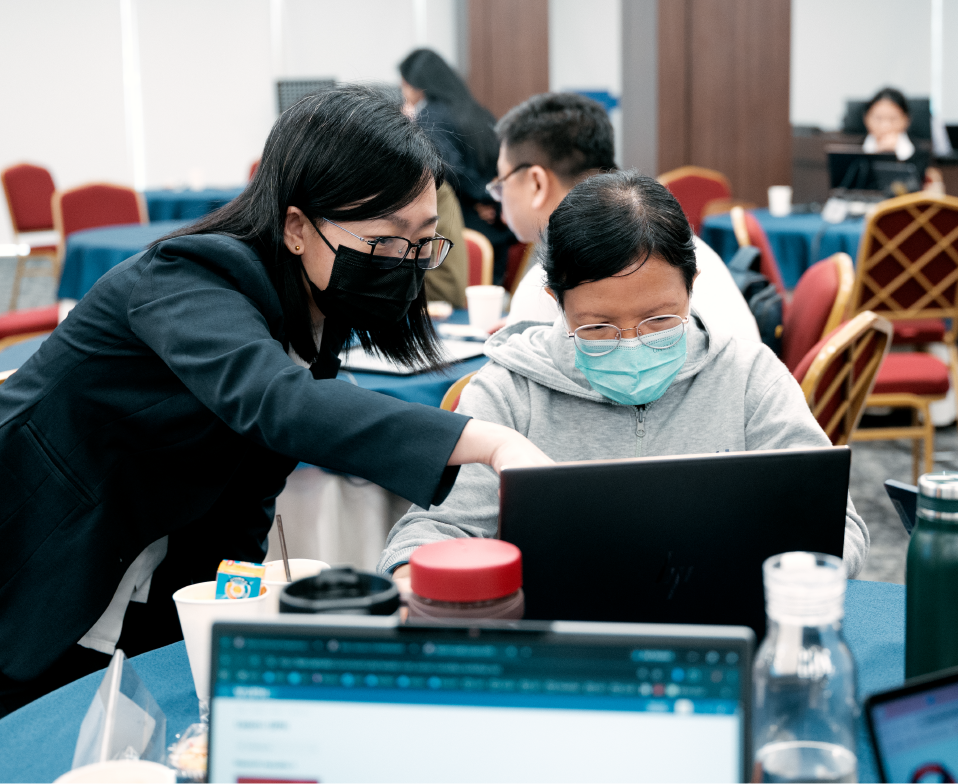
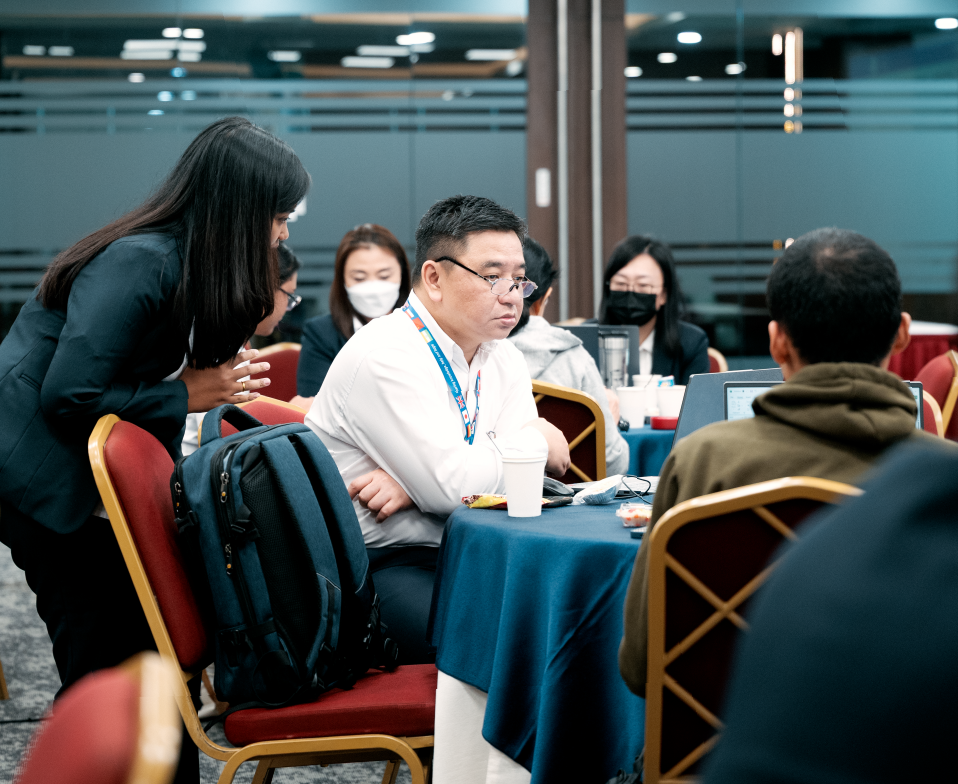
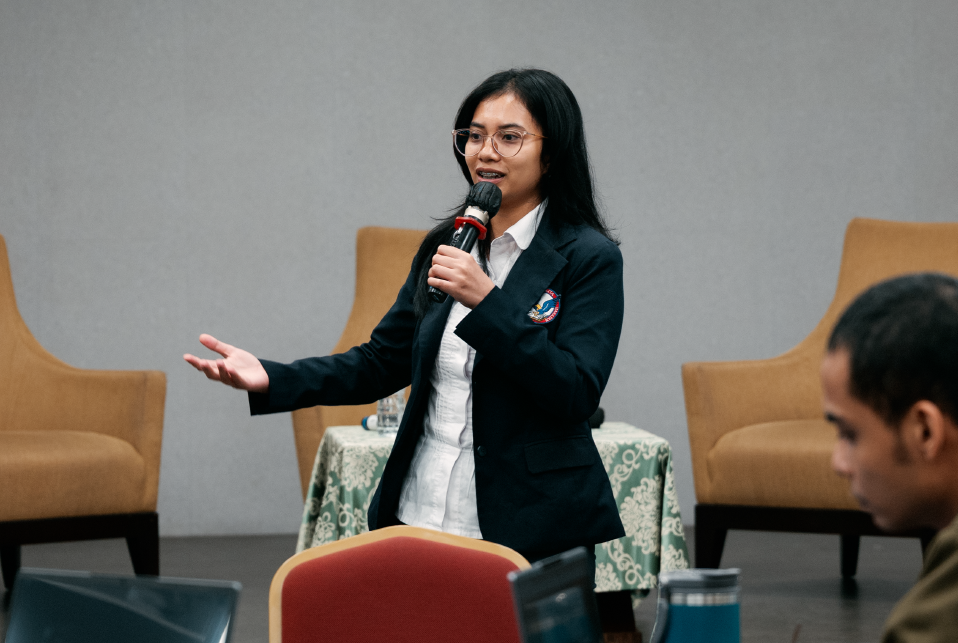
This workshop provided faculty members with an opportunity to put theory into practice by reviewing and refining their Outcome-Based Education (OBE) Course Syllabi (RPS) using the official templates and established guidelines. This hands-on approach encouraged participants to translate key concepts into practical strategies for improving course design and enhancing the overall learning experience.
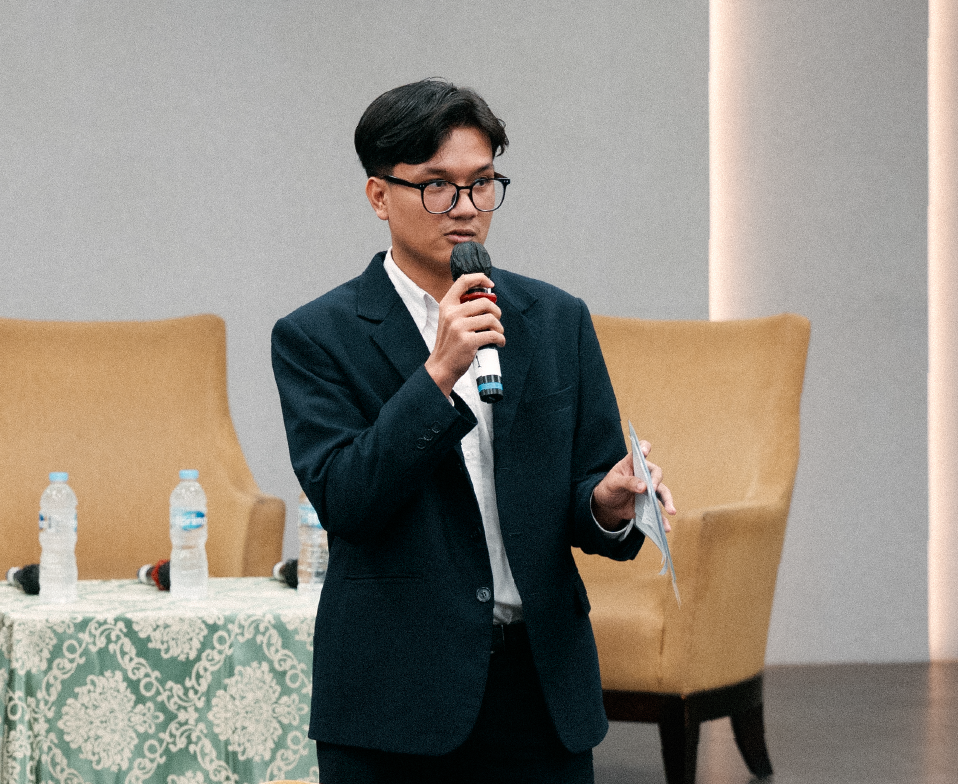
Faculty members were encouraged to revisit and critically evaluate their existing RPS, identifying areas for improvement to strengthen the alignment between learning outcomes, learning activities, and assessment methods. They then presented their revised RPS in an interactive forum, creating valuable opportunities for shared reflection, knowledge exchange, and constructive feedback from fellow participants. Through this collaborative process, faculty members gained fresh perspectives and practical insights to refine their course designs and ensure that their learning plans were well-prepared to support meaningful and effective learning experiences in the upcoming semester.
Designing Learning That Matters
As faculty members prepare for the next semester, three important questions can guide them in revisiting their Semester Learning Plans (RPS) and designing more meaningful learning experiences.
- Are my Course Learning Outcomes (CLOs) clearly defined, measurable, and aligned with the Program Learning Outcomes (PLOs)?
- Do my learning activities and assessment methods genuinely reflect the intended learning outcomes and the level of thinking required?
- Does my learning design provide opportunities for students to explore and develop their unique strengths and potential?
Making Every Learning Experience Count
A well-designed RPS does more than guide teaching. It creates opportunities for meaningful learning by connecting learning outcomes, teaching strategies, and assessment methods in a purposeful and coherent way. This workshop served as a reminder that a RPS is more than an administrative document to be completed before the semester begins. It reflects our commitment as educators to designing learning experiences that are purposeful, measurable, creative, and student-centered. A thoughtfully developed RPS provides a clear direction for teaching while allowing room for innovation, active participation, and the diverse learning needs of students.
By combining constructive alignment with flexible learning pathways, every RPS can become a starting point for learning experiences that not only help students achieve the intended competencies but also encourage critical thinking, creativity, and independent learning. Ultimately, the goal is to create learning environments where students are empowered to discover their strengths, develop their abilities, and realize their full potential both inside and beyond the classroom.